Court to Course: Tennis Predictions Align with Racing Odds in Bonus-Powered Accumulators
Quinn Perry · Aug 7, 2026
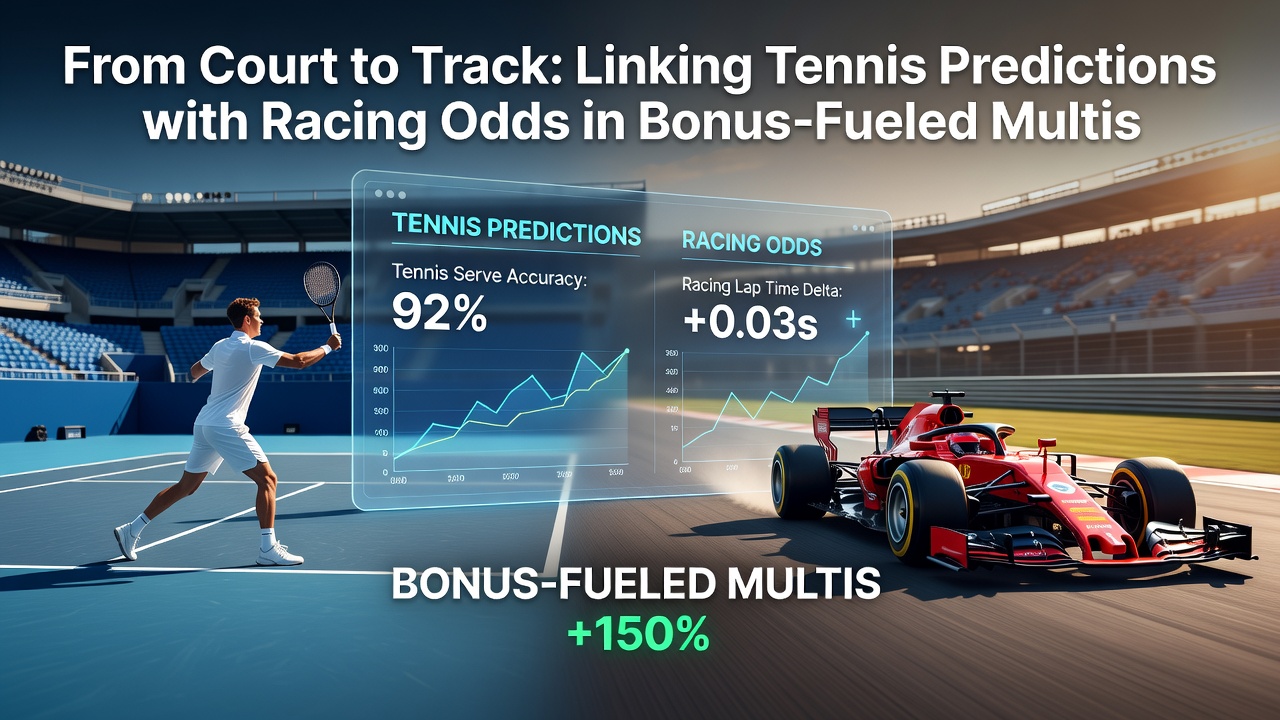
Court to Course: Tennis Predictions Align with Racing Odds in Bonus-Powered Accumulators
Operators in multiple markets have expanded accumulator options that combine tennis match outcomes with horse racing results, and these structures often incorporate bonus credits that adjust payout multiples when certain leg thresholds are met. Data compiled through August 2026 shows rising participation in such cross-sport multiples across licensed platforms, with tennis Grand Slam events and major racing festivals providing the anchor fixtures that attract the largest volumes.
Bookmakers structure these multis by requiring users to select a minimum number of legs from each category, then apply promotional boosts once the accumulator clears a set number of successful outcomes. Research from the New Jersey Division of Gaming Enforcement indicates that similar cross-category products in regulated US markets have recorded steady growth in handle during peak summer months, while operators track average stake sizes and completion rates to refine bonus triggers.
Mechanics Behind Combined Tennis and Racing Selections
Each tennis leg draws from pre-match or in-play markets such as outright winner, set handicap, or total games, whereas racing selections typically focus on win, place, or each-way outcomes at meetings like Royal Ascot or Melbourne Cup week. When a bettor completes four legs across both sports the platform may credit an additional stake percentage, and this mechanic encourages longer chains because the bonus scales with the number of confirmed results rather than individual odds.
Industry reports from the Alcohol and Gaming Commission of Ontario note that operators in that province introduced comparable tennis-racing bundles in 2025 and observed higher retention among accounts that activated the boosted multis compared with single-sport accumulators alone. The same reports highlight that bonus eligibility rules usually require all legs to reach a minimum combined odds threshold before the enhancement applies.
Market Data and Participation Patterns
Figures released by the Nevada Gaming Control Board for the first half of 2026 recorded a measurable uptick in parlay-style wagers that span multiple sports, although exact splits between tennis and racing remain aggregated within broader sports-betting categories. Observers note that major tennis tournaments scheduled in August coincide with several flat-racing festivals, creating natural overlap periods when both sports generate fresh markets simultaneously.

Platforms adjust the bonus multipliers in real time based on the number of active accounts placing similar combinations, and this dynamic pricing helps balance liability across the two sports. One study published by the University of Nevada, Las Vegas International Gaming Institute examined user behavior during overlapping events and found that accumulators containing at least two tennis matches and two races produced completion rates comparable to traditional football multis when bonus incentives were attached.
Regulatory Context Across Jurisdictions
Regulators in different regions continue to monitor how bonus structures influence bet complexity and player spend. The Alcohol and Gaming Commission of Ontario requires clear disclosure of bonus terms before any multi-sport accumulator is confirmed, while the New Jersey Division of Gaming Enforcement mandates that operators display the effective odds after the promotional uplift is applied. These requirements aim to ensure participants understand the conditions attached to the enhanced returns.
Industry associations such as the European Gaming and Betting Association have issued guidance documents that encourage operators to separate bonus-funded multis from standard cash bets in reporting systems, allowing clearer tracking of promotional volume. Such segmentation helps authorities assess whether the incentives drive disproportionate increases in cross-sport wagering during peak calendar periods.
Conclusion
Accumulator products that link tennis forecasts with racing odds continue to evolve under bonus frameworks that scale with successful legs, and data from multiple regulatory sources show consistent uptake during overlapping tournament windows. Operators maintain these offerings within the compliance parameters set by their respective licensing bodies, while participants access the products through established platform interfaces that calculate boosted returns automatically upon completion.