High Street Betting Outlets Decline Sharply After Recent Tax Adjustments
Quinn Perry · Aug 14, 2026

High Street Betting Outlets Decline Sharply After Recent Tax Adjustments
The Betting and Gaming Council has released figures showing more than 540 high-street betting shops have shut their doors while approximately 4,500 jobs disappeared since the previous Budget introduced higher tax rates, and these losses build on an extended pattern of contraction that began years earlier. Observers note the organization links the most recent wave of closures directly to increased operating costs that affect businesses running both physical locations and digital platforms together, with further duty rises expected to compound the pressure. Data from the council indicates the cumulative impact since 2019 now stands at around 3,000 shops and 15,000 positions eliminated across the sector, creating a steady reduction in the traditional retail footprint that many communities have relied upon for decades. Those who track industry metrics point out that integrated operators face simultaneous challenges from retail overheads and online compliance requirements, which together accelerate decisions to consolidate or exit certain sites altogether.Scope of Recent Closures
Figures released in August 2026 detail how the post-Budget period triggered an acceleration in shop closures compared with prior years, and the Betting and Gaming Council attributes this pace to the combined effects of elevated taxes alongside rising everyday business expenses such as utilities, staffing, and regulatory compliance. teh same report highlights that these outlets often serve as hubs for both in-person and remote customers, so when costs climb the entire operation can become unsustainable without corresponding revenue growth.
Analysts reviewing the numbers observe that the 540 shops closed in the most recent twelve-month span represent a significant portion of remaining high-street presence, while the associated 4,500 job losses affect roles ranging from counter staff to regional managers. Because many of these positions sit within smaller towns and city outskirts, the reductions ripple through local economies that depend on steady footfall from regular visitors.
Longer-Term Contraction Pattern
Extending the timeline back to 2019 reveals a broader contraction where roughly 3,000 shops and 15,000 roles have vanished, and the Betting and Gaming Council connects this ongoing trend to successive rounds of tax and cost increases that have reshaped the economics of running physical betting premises. Those who study sector employment data note that the decline has been gradual yet persistent, with each policy shift adding incremental strain on operators who maintain both retail and digital channels under one umbrella.
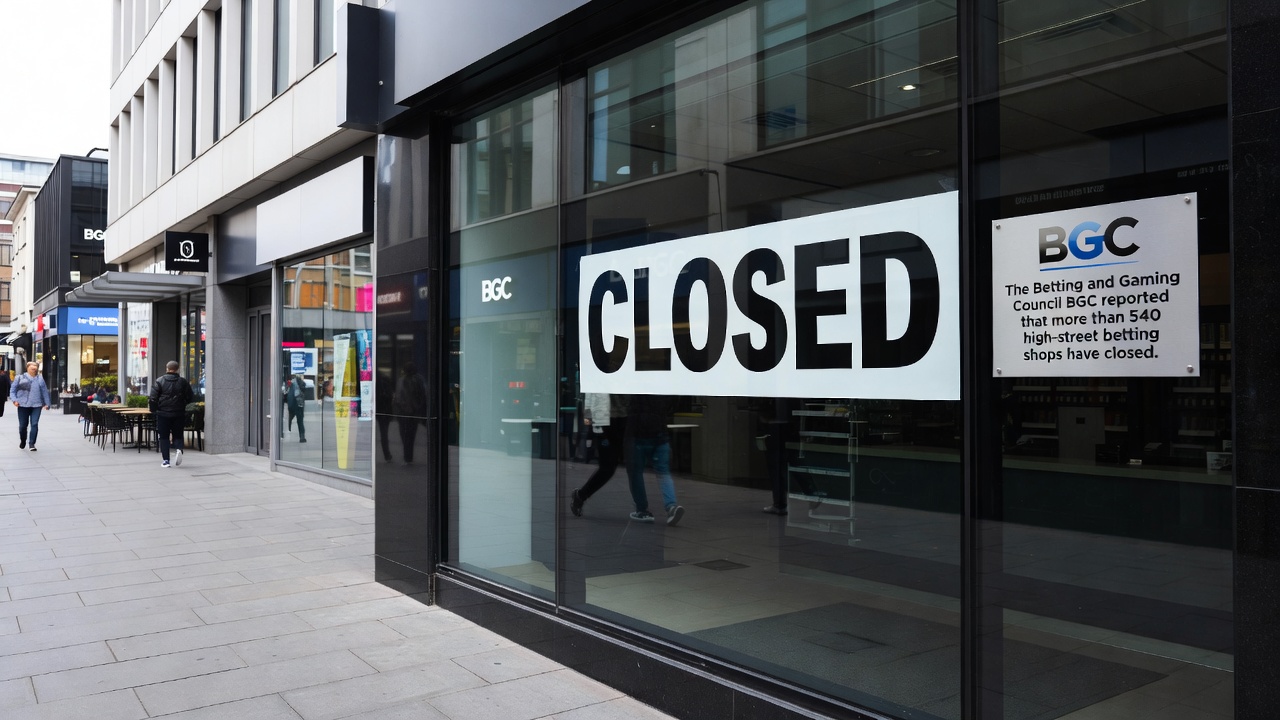 The council's analysis shows that operators cannot easily separate their retail losses from online performance because shared infrastructure, marketing budgets, and customer databases link the two sides, therefore any tax hike on one segment influences decisions about the other. This integration means closures in one area can signal wider adjustments across entire company structures rather than isolated retail cutbacks.
Attribution to Tax and Cost Pressures
The Betting and Gaming Council states that rising taxes remain the primary driver behind the accelerated closures, while secondary factors such as energy prices, wage requirements, and property expenses compound the difficulty of maintaining viable margins. According to their statement, businesses that once balanced thin retail profits against stronger online returns now find the overall model strained when duty rates move higher without offsetting growth in customer activity.
Further duty increases scheduled for later periods are flagged as likely to intensify these effects, and the council warns that additional shop reductions and job losses could follow if current cost trajectories continue unchanged. Industry observers tracking the same data emphasize that the warning rests on observable patterns from previous tax adjustments rather than speculation about future behavior.
Implications for Integrated Operations
Operators running combined retail and online services encounter unique pressures because tax changes often apply unevenly across channels, yet the operational overlap means adjustments in one area affect staffing, technology investment, and site viability in the other. The Betting and Gaming Council report illustrates how this interconnected structure leaves fewer options for absorbing cost increases without reducing physical locations or workforce numbers.
Those reviewing the employment figures note that the 4,500 positions lost since the last Budget add to the earlier total of 15,000, producing a cumulative workforce contraction that spans multiple regions and company types. Because many roles require specialized knowledge of both in-person customer service and digital platform management, displaced workers may face extended transitions when seeking comparable positions elsewhere in the sector.
Conclusion
The Betting and Gaming Council data released in August 2026 presents a clear record of more than 540 shops and 4,500 jobs eliminated in the wake of recent tax changes, extending a longer decline that has removed around 3,000 outlets and 15,000 positions since 2019. The organization directly ties these outcomes to elevated taxes and operating costs that challenge integrated retail and online models, while signaling that upcoming duty increases may produce further reductions. Betting and Gaming Council analysis supplies the core statistics, and similar patterns appear in OECD tax policy reviews that examine how duty adjustments influence regulated industries across multiple jurisdictions.